If you are torn between a vacation cabin and a full-time home in Edgemont Highlands, you are asking the right question. This neighborhood offers mountain setting, managed infrastructure, and quick access to Durango, which can make it appealing for both seasonal use and everyday living. The best fit depends less on the scenery and more on how you plan to use the property, handle ongoing responsibilities, and budget for year-round costs. Let’s dive in.
Edgemont Highlands at a glance
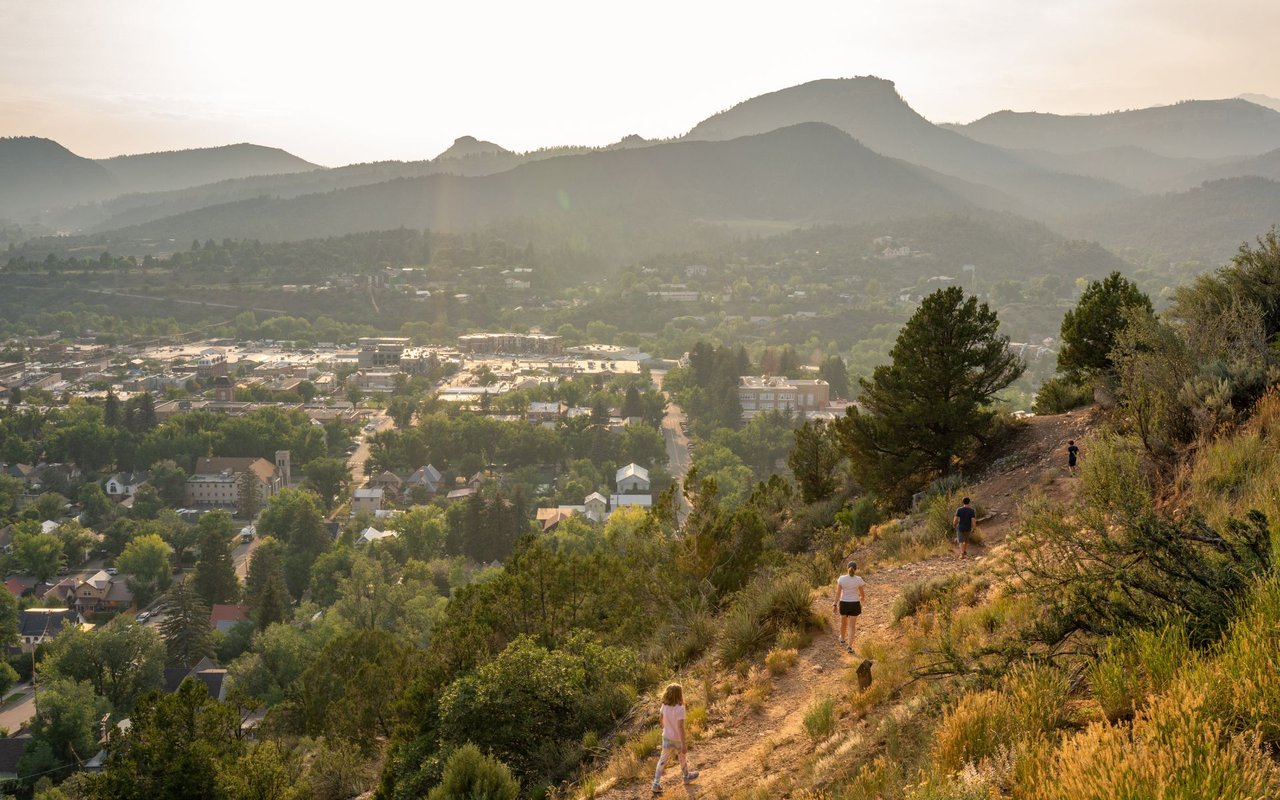
Edgemont Highlands is a 500-acre subdivision in La Plata County, about five miles northeast of Durango at roughly 7,400 feet in elevation. According to the 2023 community wildfire protection plan, it includes 476 single-family home lots, several multi-family or patio-home areas, a community lodge, and about 200 acres of communally owned open space.
You also have practical access and services that matter in daily life. The neighborhood is reached by two entrances off County Road 240, and subdivision roads are paved two-lane roads. The Edgemont Ranch Metropolitan District serves the area with domestic water, sanitary sewer, road construction and maintenance, and snow removal.
That combination gives Edgemont Highlands a different feel than a purely remote mountain property. It is scenic, but it is also a structured residential community with district services, community governance, and shared open space.
Why a vacation cabin can work
If you want a recreation-first property near Durango, Edgemont Highlands can make sense as a part-time home. The setting supports seasonal use, and the community includes open space, trails, and established footpaths maintained in common areas.
For many second-home buyers, that balance is appealing. You can enjoy the mountain environment without starting from scratch on utilities, road access, or winter road service. The neighborhood is close enough to town to make shorter stays practical too.
Climate also supports a cabin lifestyle across multiple seasons. The community wildfire protection plan states that Edgemont Highlands receives about 21 inches of precipitation annually, with most of it falling as snow from October through March. Nearby Durango snowfall normals show an average of 63.7 inches annually, with the heaviest snowfall in January and February.
The hidden costs of part-time ownership
A vacation home here is not a set-it-and-forget-it purchase. Even when the home is vacant, you still need to plan for recurring costs, weather preparation, and periodic property checks.
The metro district’s 2026 rate schedule shows that improved lots are billed $174 per month plus water usage. Even if water service is shut off, infrastructure, base water and sewer, and snow-plowing fees continue. That means lower occupancy does not eliminate your baseline carrying costs.
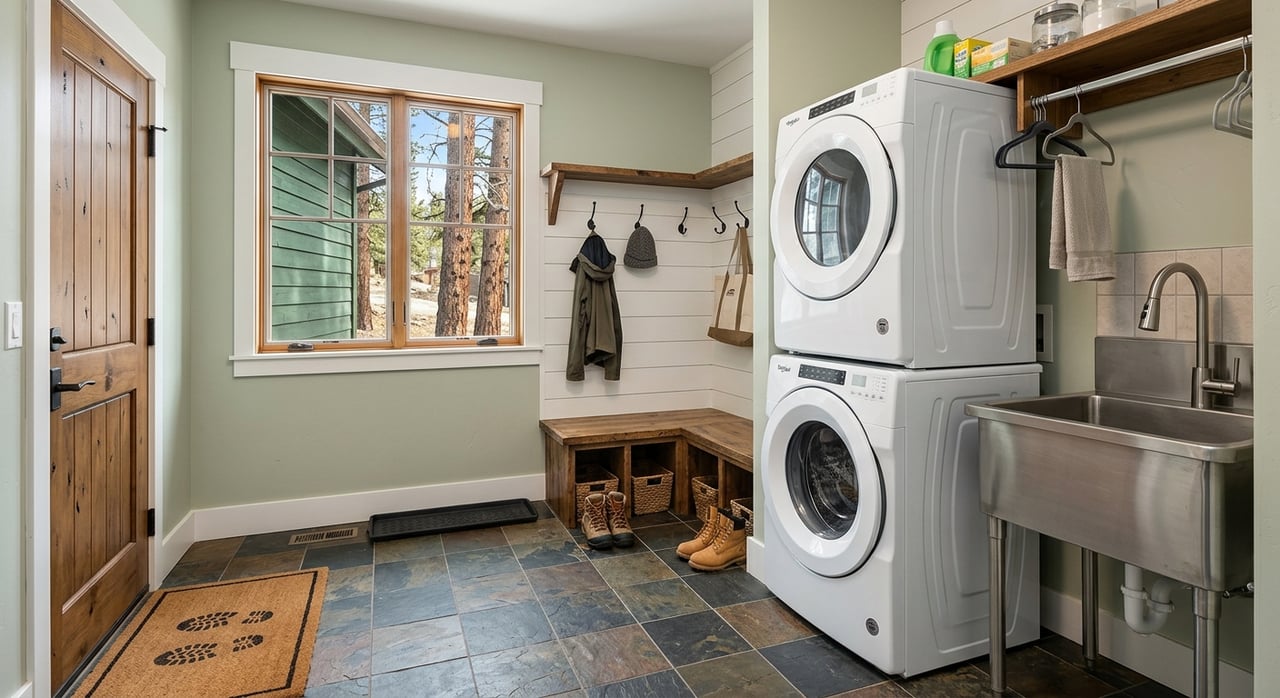
You also need to think about mountain-property upkeep. Seasonal ownership still means arranging winter readiness, checking systems during vacancy, and staying on top of property conditions throughout the year.
Wildfire and vegetation matter either way
One of the biggest factors in this decision is the setting itself. Edgemont Highlands sits in a ponderosa pine and Gambel oak wildland-urban interface, according to the community wildfire protection plan.
That matters whether you live there full time or visit a few times a year. The covenants require defensible space, and tree or vegetation removal requires Architectural Review Committee approval. In simple terms, you cannot assume a cabin will take care of itself between visits.
If you are buying for part-time use, plan for ongoing fuels management and regular oversight. If you are buying for full-time use, expect wildfire readiness to be part of normal homeownership in the neighborhood.
Why a year-round home can work
For buyers who want a mountain setting without giving up everyday convenience, a full-time home in Edgemont Highlands can be a strong match. The neighborhood is close enough to Durango for routine trips, and district services support practical daily living.
The Edgemont Ranch Metropolitan District provides central water, sanitary sewer, paved-road maintenance, and snow removal. Those features help make the neighborhood workable as a primary residence rather than just a seasonal retreat.
There is also a stronger sense of continuity when you live there year round. The district highlights board meetings, transparency documents, online requests, and emergency contacts, while community materials note that residents can choose to be active or private. For some buyers, that makes the neighborhood feel more grounded and livable over the long term.
Full-time living still comes with responsibility
A year-round home does not mean everything is handled for you. District services are meaningful, but they do not remove all ownership duties.
The 2026 district rate schedule says the property owner is responsible for the water service line from the meter to the residence and the sewer line from the residence to the collector. So while you benefit from central systems, you still carry some maintenance responsibility for key connections.
That is an important distinction if you are comparing Edgemont Highlands with a condo, patio home, or lower-maintenance setup elsewhere. A primary residence here can be very practical, but it is still mountain homeownership.
Vacation cabin vs. year-round home
If you are weighing both options, it helps to compare the lifestyle fit side by side.
| Option | Best fit for | Key advantages | Main tradeoffs |
|---|---|---|---|
| Vacation cabin | Buyers who want seasonal use and recreation-first ownership | Mountain setting, open space, easier access to Durango than many remote properties | Ongoing district charges, vacancy oversight, snow planning, defensible-space work |
| Year-round home | Buyers who want a primary residence with mountain character and town access | Central utilities, snow removal, paved roads, stronger day-to-day usability | Still responsible for home systems, wildfire readiness, and mountain-property upkeep |
In short, the vacation-cabin choice is often about flexibility and lifestyle. The year-round choice is often about convenience, continuity, and making the neighborhood part of your everyday routine.
Questions to ask before you choose
Before you commit to either path, it is worth slowing down and reviewing the details that affect real-world use. In Edgemont Highlands, governance and ownership structure matter.
Here are a few smart due-diligence questions to ask:
- Which governing documents apply to the specific property?
- What are the current metro district charges and any other community fees?
- Are there occupancy or rental restrictions that affect your intended use?
- What do the covenants require for defensible space and vegetation management?
- What property tasks will you need to handle personally versus outsource?
This step matters because the Edgemont Ranch Metropolitan District is separate from the Edgemont Property Owners Association and the Edgemont Highlands Community Association. The wildfire protection plan also shows that the community association handles open-space upkeep, while covenants govern construction and vegetation management.
How to decide what fits your lifestyle
A vacation cabin is usually the better fit if you want a mountain escape, expect lower annual occupancy, and are comfortable paying recurring fees while also arranging seasonal maintenance. It works best when you go in with a clear plan for snow season, vacancy checks, and wildfire-related upkeep.
A year-round home is usually the better fit if you want to live near Durango full time and value central utilities, paved roads, and district snow removal. It can offer a practical day-to-day base with mountain character, as long as you are comfortable with the responsibilities that come with owning in a wildland-urban setting.
The right answer is rarely just about whether a house feels cozy enough for a cabin or functional enough for daily life. It is about whether the neighborhood’s costs, services, and responsibilities line up with how you actually want to live.
If you are thinking about buying in Edgemont Highlands and want help sorting through the tradeoffs, Alicia Romero can help you look closely at neighborhood fit, property obligations, and what makes the most sense for your goals.
FAQs
Is Edgemont Highlands better for a second home or a primary residence?
- It can work for either, but the better fit depends on how often you plan to use the home, whether you are comfortable with ongoing maintenance, and how much you value district services for daily living.
What services does the Edgemont Ranch Metropolitan District provide in Edgemont Highlands?
- The district provides domestic water, sanitary sewer, road construction and maintenance, and snow removal.
Do Edgemont Highlands owners pay fees even if the home is vacant?
- Yes. The 2026 rate schedule shows improved lots are billed a monthly amount plus water usage, and some base charges continue even if water service is shut off.
What wildfire-related responsibilities come with owning in Edgemont Highlands?
- Owners need to account for defensible space requirements, and tree or vegetation removal requires Architectural Review Committee approval under the community covenants.
Is Edgemont Highlands close enough to Durango for year-round living?
- Yes. The neighborhood is about five miles northeast of Durango, which supports routine trips into town for full-time residents.
What should buyers review before purchasing in Edgemont Highlands?
- Buyers should confirm which governing documents apply to the property, review community covenants and metro district rules, and verify current dues plus any occupancy or rental restrictions.