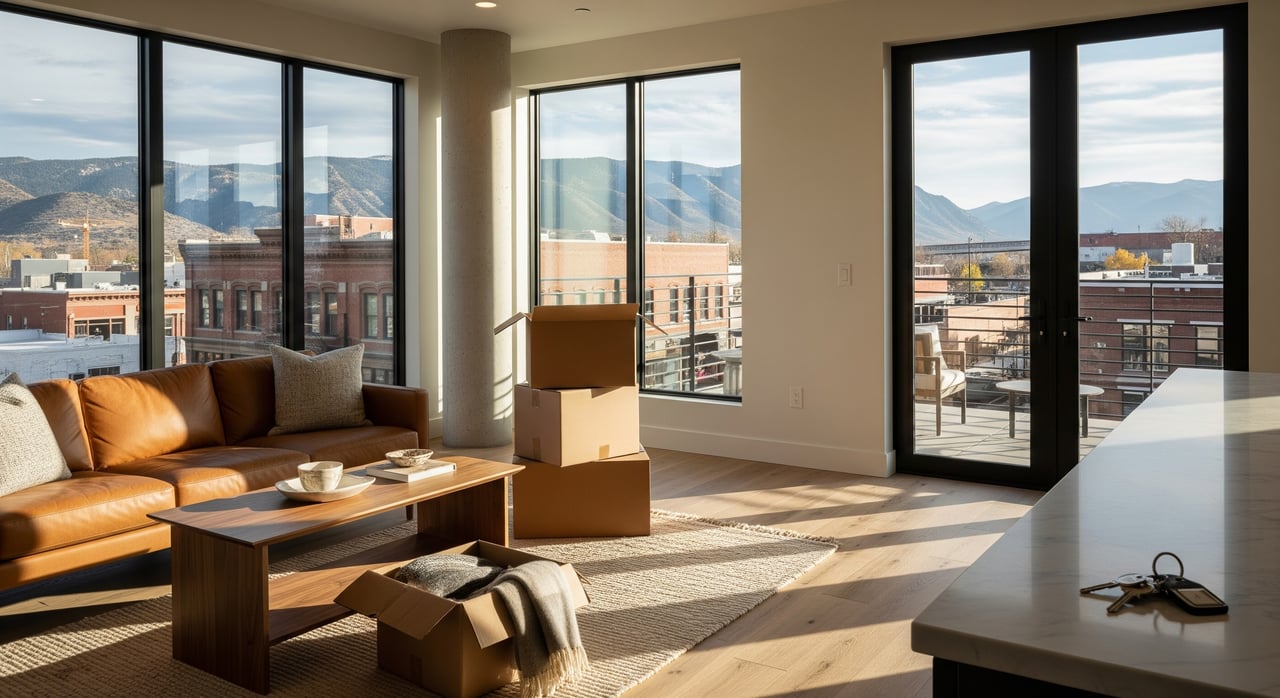
Planning to relocate to Downtown Durango but need to buy first? You are not alone. Many buyers secure a home from out of state to lock in location and timing. With the right plan, you can tour virtually, make a competitive offer, close remotely, and arrive with confidence. This guide walks you through a clear Buy‑Before‑You‑Move process tailored to Downtown Durango. Let’s dive in.
Why Downtown Durango appeals
Downtown Durango centers on Main Avenue, where you’ll find historic architecture, walkable restaurants and shops, cultural spots, and access to local transit. The area blends older single‑family homes, townhomes and condos, and some mixed‑use or historic properties.
Inventory of newer, larger single‑family homes is more limited in the downtown core. Seasonal demand, tourism, and second‑home interest can add competition, especially for turnkey condos and smaller homes. Expect well‑priced, move‑in‑ready properties to draw attention quickly.
What to expect in the market
In small mountain downtowns, inventory often runs tight and days on market can be shorter than in big metro areas. That means preparation is key. Condos and low‑maintenance homes tend to attract more out‑of‑state interest. Price trends and inventory shift with the season, so you’ll want up‑to‑date local data when you are ready to act.
Your buy‑before‑you‑move plan
Phase A: Prepare financing and priorities
Get fully preapproved with a lender familiar with remote buyers and La Plata County appraisals. Confirm electronic document workflows and appraisal coverage. Define your non‑negotiables early, like price range, property type, parking, historic features, and distance to Main Avenue. Budget for closing costs, property taxes, homeowners insurance, HOA fees if applicable, and temporary housing. Identify a local title and escrow company that can support remote signings.
A helpful concierge deliverable at this stage is a buyer packet with local cost estimates, utility setup steps, and a document checklist for underwriting and closing.
Phase B: Virtual discovery and shortlists
Screen listings with 3D tours, quality photos, and video walk‑throughs. For top contenders, schedule live video tours so you can request close‑ups of systems and finishes and listen for street noise. Build a ranked shortlist of three to six homes across micro‑neighborhoods. Ask for neighborhood intel like walkability, parking rules, recent comparable sales, HOA policies, and utility sources.
Value‑add options include prerecorded day‑and‑night neighborhood walks, proximity maps for groceries and medical care, and notes on seasonal parking or road access.
Phase C: Offer strategy for competitive listings
Have preapproval and proof of funds ready, along with a concise package your agent can present. Discuss inspection and financing contingencies, earnest money, and whether an escalation clause makes sense. Flexibility on close date or a short rent‑back can help. Talk through appraisal risk and options for handling a potential gap between price and appraised value.
Reduce risk by reviewing relevant comparable sales, studying seller disclosures, and understanding building age and system updates before you finalize terms.
Phase D: Inspections and remote coordination
Plan standard inspections such as general, radon, HVAC, roof, plumbing and electrical, and pest. For older or historic homes, consider sewer scoping, chimney, structural, or other specialty checks. Work with inspectors who provide detailed photo and video reports and can walk you through findings live via video if you cannot attend. Prioritize safety and structural items in negotiations. For minor issues, credits or price adjustments can keep the timeline smooth.
In historic properties, be aware of the potential for older systems and materials. Specialty contractors can take longer to schedule, so build time into your plan.
Phase E: Appraisal, title, and remote closing
Your lender will order the appraisal, which is typically handled by local appraisers familiar with Downtown Durango. Title will run the search, clear exceptions, and prepare closing documents. Electronic signatures are common. Remote online notarization may be available; confirm current procedures with the title company and state guidance. If remote notarization is not practical, you can sign paper documents locally and overnight them as directed.
Protect your funds by verifying wire instructions directly with the title company using a trusted phone number. Use two‑factor verification and confirm any last‑minute changes by phone and in writing.
Phase F: Close‑then‑arrive logistics
If you need time to move, negotiate a post‑closing occupancy period or rent‑back with clear terms for insurance, utilities, and access. If a rent‑back does not fit, consider short‑term housing such as furnished rentals, extended‑stay options, or a short lease through a local property manager.
Before you arrive, schedule utilities, internet, mail forwarding, and a locksmith. Line up cleaners, movers, and any immediate contractor work. Confirm your homeowners or HOA policy start date and clarify who pays utilities during any rent‑back period.
Local factors to verify
- Property taxes and recording fees: Check county assessor, recorder, and treasurer details to estimate ongoing costs.
- Short‑term rental and zoning rules: If rental use matters, confirm current City of Durango ordinances before you buy.
- Remote notarization and recording: Policies evolve. Confirm what your title company and the state currently allow.
Your local team
- Local real estate agent and concierge support for live video tours, on‑the‑ground checks, and neighborhood insight.
- Mortgage lender with remote closing experience and appraiser coverage in La Plata County.
- Title and escrow company comfortable with remote signings and wire security protocols.
- Home inspectors with strong reporting and specialty trades like roofing, HVAC, sewer, well, or chimney.
- Local contractors for pre‑move repairs or retrofits.
- Movers for interstate transport and local last‑mile delivery; storage or staging if needed.
- Short‑term housing providers and property managers.
- Utilities and services: local electric, municipal water and sewer where applicable, and local internet providers.
- County and city offices for taxes, recording, and planning questions.
- Schools and medical contacts for transition planning.
Timeline at a glance
- 6 to 12 weeks before your move: secure preapproval, define priorities and budget, connect with a local agent.
- 2 to 6 weeks: conduct virtual tours, build your shortlist, prepare offer terms.
- Offer stage: finalize contingencies and earnest money; discuss flexible occupancy options.
- Contract to inspection: schedule the inspector quickly, typically within the first week.
- Contract to close: plan for about 30 to 45 days depending on financing, title, and seller timelines.
- Post‑close and pre‑arrival: schedule utilities, movers, and locksmith; line up short‑term housing or rent‑back.
How we help remote buyers
With a relocation focus and on‑the‑ground experience in Downtown Durango, we support buy‑before‑you‑move clients with practical coordination, vetted contacts, and clear communication. Here is what that can include:
- Coordination services: 1 to 2 live neighborhood tours, on‑demand video walkthroughs, inspection walk‑through setup, and title/escrow coordination for remote closings.
- Vendor vetting: curated lists of inspectors, specialty trades, movers, short‑term housing, and utilities.
- Timeline management: tracking contingencies, scheduling signings, and liaising with lenders and title.
- Arrival support: utility start dates, cleaners, locksmith, and move‑in services scheduled before you arrive.
Ready to start?
If you want to secure a Downtown Durango home before your move, a clear process and the right local support make it possible. Let’s map your timeline, shortlist properties, and prepare a competitive, low‑stress path to closing. Reach out to Alicia Romero to plan your next step.
FAQs
Can I complete a Downtown Durango purchase fully remote?
- Yes. Many buyers use live video tours, electronic signatures, remote notarization where available, and trusted local title and escrow teams to close from out of state.
How do I reduce risk if I cannot visit in person?
- Combine live video tours with detailed inspection reports, attend the inspector walk‑through via video, and use inspection, appraisal, and financing contingencies where appropriate.
How long does closing typically take?
- Plan for about 30 to 45 days for most financed purchases, with timing shaped by appraisal schedules, title work, and seller needs.
How do I avoid wire fraud in a remote closing?
- Verify wiring instructions by calling the title company at a known, trusted number, use two‑factor verification, and confirm any changes both in writing and by phone.
Are there extra costs when buying from out of state?
- You may see shipping or courier fees for original documents, specialized inspections, travel if needed, higher moving costs, and temporary housing or overlap expenses.
What should I focus on in historic downtown homes?
- Prioritize structure, roof and foundation, water intrusion, and plumbing and electrical systems, and understand any historic‑district or preservation requirements before committing.