Thinking about a second home in Animas Valley? It is easy to fall for the views, the rural feel, and the quick access to recreation, but this is also a market where the details matter. If you want a home that feels relaxing when you arrive and manageable when you leave, you need to look beyond the photos. Here is how to plan a second home purchase in Animas Valley with more confidence and fewer surprises. Let’s dive in.
Why Animas Valley Feels Different
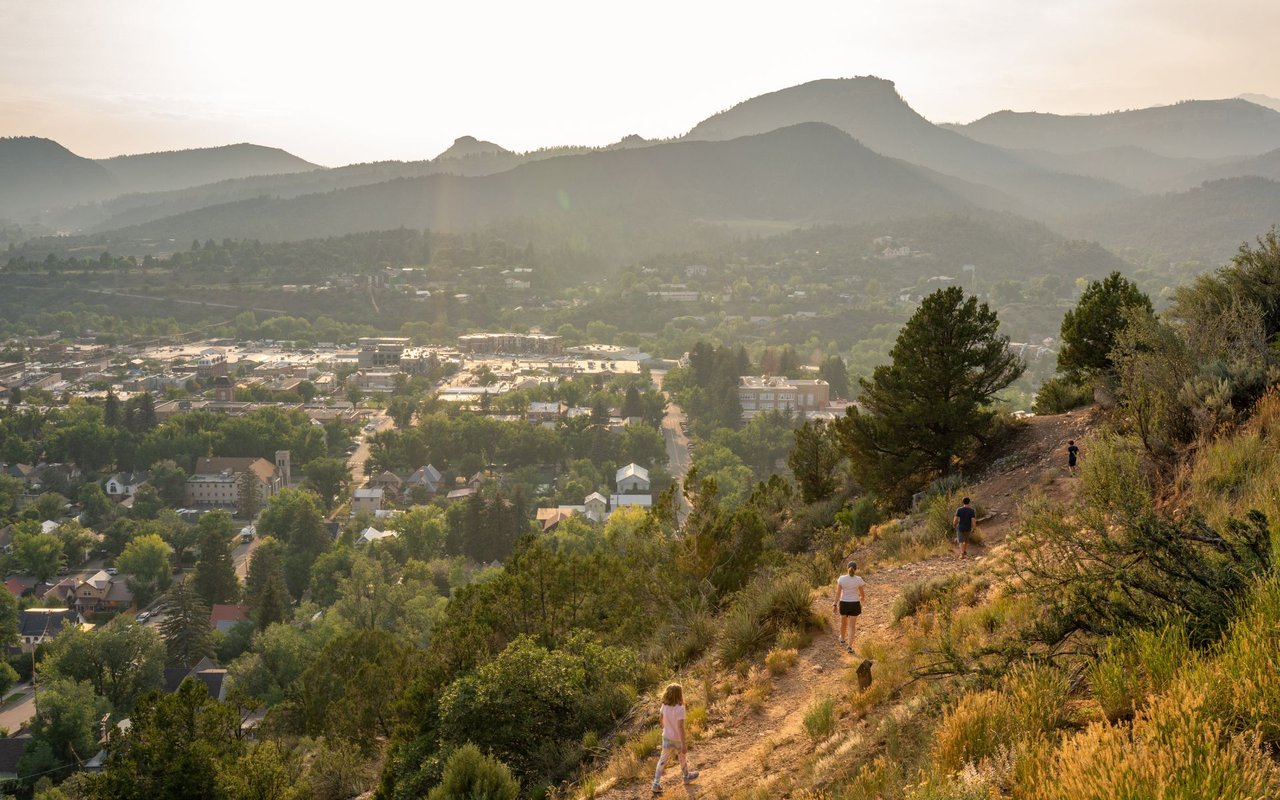
Animas Valley is a scenic corridor north of Durango in La Plata County, and according to the Animas Valley district plan, it remains mostly rural despite its proximity to town. U.S. Highway 550 runs through the valley, with more concentrated development on the west side and lower-density and agricultural uses more common on the east side. That means two homes in the same broad area can offer very different experiences.
For you as a second-home buyer, that variation is a big part of the appeal and the challenge. One property may offer easier access and more established services, while another may give you more privacy, more land, or a closer connection to surrounding open space. Some parcels also border U.S. Forest Service lands, which can add convenient access to hiking, biking, and horseback-riding areas nearby.
Start With Your Real Use Plan
Before you focus on finishes or views, think about how you will actually use the home. Will you visit on long weekends, stay for part of each season, or use it mainly as a summer or winter retreat? The answer affects what kind of property will feel easy to own.
A second home that works well for frequent visits may need simpler access, easier maintenance, and fewer parcel-specific systems to manage from a distance. If you plan longer stays and want more privacy, you may be comfortable taking on a more rural setup. The key is matching the property to your real lifestyle, not just your ideal one.
Look Closely at Access
In Animas Valley, access is not a small detail. It can shape everything from winter travel to service calls to day-to-day convenience when you are away from the property.
La Plata County notes that its Road & Bridge crews maintain more than 600 miles of county roads during winter, with main roads prioritized first. Gravel roads are typically plowed once per day, while low-volume roads may wait until major routes are cleared. The county also notes that state highways and private roads are not part of its responsibility.
That is why one of your first questions should be simple: is the home on a county-maintained road, a state highway approach, or a private road? If the road is private, you will want a clear understanding of who handles snow removal and ongoing maintenance. For a lock-and-leave property, reliable access can be just as important as the home itself.
Plan for Winter Ownership
Winter readiness matters in this part of La Plata County. Durango’s NOAA 1991-2020 climate normals show average annual snowfall of 63.7 inches, with 19.4 inches in January and 15.4 inches in February. Even if you love snowy mountain getaways, you still need a practical plan for managing the property when you are not there.
That usually means thinking through a few basics before you buy:
- Who will plow the driveway after a storm?
- Who will check the home during cold weather?
- How easy is it for emergency help or service providers to reach the property?
- Is the driveway shape and slope manageable in winter?
If you will be flying in and out, access to transportation also matters. The Durango-La Plata County Airport identifies itself as the primary regional airport for southwest Colorado, northwest New Mexico, and the Four Corners, with service from American and United. That can make regional travel easier, but once you land, local road access still determines how simple your arrival will be.
Verify Water and Wastewater Early
Utilities can vary widely across Animas Valley, and this is one of the biggest issues second-home buyers should investigate early. According to the county plan, central water and sewer infrastructure is concentrated on the west side of the valley, while much of the east side does not have central water and sewer.
The same plan identifies Animas Water Company as the domestic water provider along the west side and Hermosa Sanitation District as the wastewater provider there. The Animas Water Company website says it serves potable water from groundwater wells to members in the Animas Valley north of Durango. That is useful context, but you still need parcel-specific confirmation before closing.
For a second home, utility setup matters because it affects both convenience and ongoing oversight. A home that looks perfect online may require more hands-on management than you expected. Before you commit, confirm:
- Water source
- Wastewater service
- Any service district obligations tied to the property
- Whether the setup is straightforward for seasonal ownership
Understand Site Conditions
The scenery in Animas Valley is a major draw, but the landscape also comes with real planning considerations. The county plan flags steep cliffs, landslides, soil erosion, debris fans, flooding, wildfire, and post-fire flooding as issues that can affect properties in the district.
That does not mean a property is automatically unsuitable. It means due diligence should be site-specific. Two homes with similar views may have very different risk factors, maintenance needs, or comfort levels for an owner who is not in residence year-round.
When you are evaluating options, it helps to ask practical questions such as:
- Is any part of the parcel affected by floodplain exposure?
- How might wildfire or post-fire runoff influence ownership concerns?
- Are there visible slope, drainage, or erosion issues?
- Will these conditions affect how comfortable you feel leaving the property unattended?
Budget Beyond the Purchase Price
A second-home budget in Animas Valley should go beyond the list price. Local reporting from the Durango Herald said La Plata County’s median home sale price rose 2.8% in 2025 to $695,000, while country homes near Durango reached a median of $930,000. For many buyers looking in Animas Valley, the rural-country segment is likely the more relevant pricing reference point.
The same report noted that countywide there were 850 home sales in 2025, and by December there were 16% more single-family homes and 43% more condos and townhomes on the market than a year earlier. Statewide, homes averaged 68 days on market in October 2025 and sold about 5.7% below list price. That suggests buyers may find more room for thoughtful decision-making than in a fast, highly compressed market.
Still, your ownership budget should include more than acquisition costs. In this area, it is smart to account for:
- Snow removal and winter access support
- Property checks when you are away
- Utility verification and possible service complexity
- Ongoing maintenance tied to rural or mountain conditions
Focus on Lock-and-Leave Reality
A true lock-and-leave second home is not just attractive. It needs to function well when you are absent. In Animas Valley, that often comes down to how simple the property is to access, service, and monitor through changing seasons.
A home may feel close to Durango on a map, but if road access is more complicated, utilities are more specialized, or weather response requires more coordination, your ownership experience can feel very different. The goal is not to avoid every rural feature. It is to understand what you are taking on and choose a property that fits your comfort level.
This is where local guidance can save you time. A buyer-focused process should help you compare not just price and appearance, but also road status, utility setup, seasonal maintenance needs, and site conditions that matter over the long term.
A Smart Second-Home Checklist
If you are planning a second home purchase in Animas Valley, keep this checklist handy as you narrow your search:
- Define how often you expect to visit.
- Confirm whether the road is county-maintained or private.
- Ask how winter access and driveway plowing are handled.
- Verify water source and wastewater service.
- Review any service district responsibilities tied to the parcel.
- Consider site-specific factors like flooding, wildfire exposure, slope, and drainage.
- Build a budget that includes maintenance and absence-related services, not just the purchase price.
A second home should support the way you want to live, not create a second layer of stress. With the right planning, Animas Valley can offer the scenic setting and seasonal flexibility many buyers want, while still feeling manageable year-round.
If you are exploring second-home options north of Durango, Alicia Romero can help you look beyond the listing and evaluate the access, utility, and site details that matter in Animas Valley.
FAQs
What makes Animas Valley different for a second-home purchase?
- Animas Valley is mostly rural, and properties can vary widely in access, utility setup, maintenance needs, and site conditions depending on the parcel.
What should second-home buyers in Animas Valley ask about road access?
- You should confirm whether the home is on a county-maintained road, a private road, or accessed from a state highway approach, and ask who handles snow removal and maintenance.
What utilities should buyers verify before buying in Animas Valley?
- You should verify the water source, wastewater service, and any district obligations tied to the parcel, especially because central water and sewer are more concentrated on the west side of the valley.
How much snow does the Durango area typically get in winter?
- NOAA climate normals for Durango show an average of 63.7 inches of annual snowfall, with January and February typically being the snowiest months.
How should buyers budget for a second home in Animas Valley?
- In addition to the purchase price, you should budget for winter access, snow removal, property checks, utility-related due diligence, and ongoing maintenance tied to rural ownership.