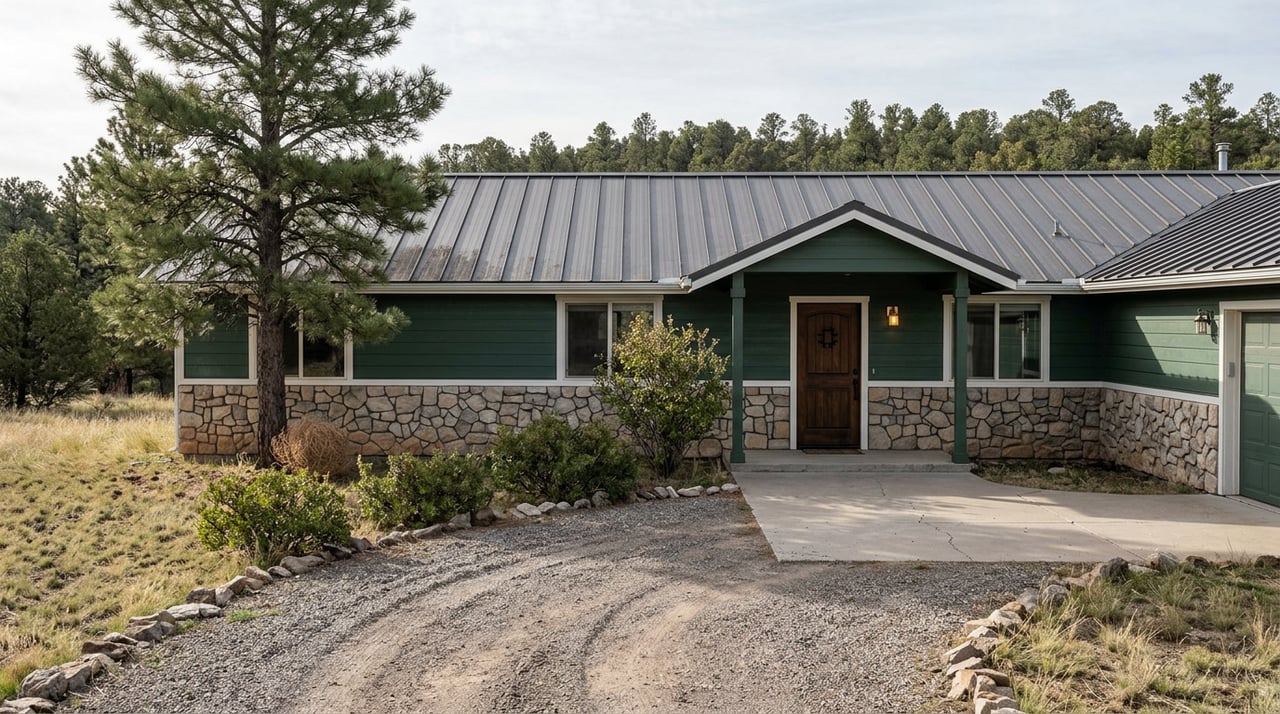
A seller lists a home along Trimble Lane in August, gets an offer inside two weeks, and pulls out the septic paperwork from the last sale eight years ago. It looks fine. It was fine, until March. The county's transfer program has a new name, a new form, and a new set of exemptions, and the old document doesn't satisfy any of it. The closing doesn't fall apart, but it slows down while an inspector gets scheduled, and the seller spends a week explaining to a buyer's lender why a document that used to be routine now needs a fresh signature from La Plata County Public Health.
That scene is playing out across North Durango more than almost anywhere else in the market Alicia Romero covers, and the reason has nothing to do with the age of the homes or the price point. It has to do with what's under the ground and where the water actually comes from before it ever reaches a faucet.
The Document That Changed in March
The La Plata County Board of Health adopted new regulations for onsite wastewater treatment systems on January 15, 2026, and they took effect March 2, 2026. Colorado's updated statewide septic standard, Regulation 43, was adopted by reference the same day, so the state and county rules moved together. The practical change for anyone buying or selling: the old Transfer of Title Acceptance Document is gone. In its place is a Continued Use Permit, issued by La Plata County Public Health after the property's system passes inspection.
Most properties on a septic system still need one before closing. A handful of situations are exempt, including systems that received final approval within the last four years, systems repaired and approved within the past year with a certified inspection report on file, and transfers that aren't arm's length, such as a change in ownership between a parent and child or a transfer into a trust or LLC held by the same owner. Foreclosures and forfeitures are also excluded. Everyone else needs the inspection and the new permit before the sale can close, and a buyer, their agent, or their lender can request one even when a property technically qualifies for an exemption.
None of that is unusual as county rules go. What's unusual is how many North Durango transactions run straight into it.
Why This Rule Lands Harder Here Than Downtown
Inside Durango's city limits, most homes tie into the Santa Rita Water Reclamation Facility, which handles wastewater for roughly six of the city's 6.8 square miles and discharges back into the Animas River after treatment. A downtown seller doesn't think about septic permits because there isn't a septic system to think about.
Head north out of town along Animas View Drive, out toward Trimble Lane and East Animas Road, and the sewer main simply isn't there. Homes in that corridor have always relied on individual onsite wastewater systems, because running municipal sewer that far out was never part of the build. That's not a defect. It's how the area was developed, and it's one of the tradeoffs that comes with the space and privacy North Durango is known for. But it also means the new Continued Use Permit requirement touches a much larger share of transactions here than it does two miles south on Third Avenue.
If you're evaluating a North Durango listing right now, the septic question isn't a footnote. It's one of the first things worth asking, and it's worth asking early enough that an inspection doesn't become the thing holding up your closing date. Durango Septic, a locally owned company that's handled tank service in the area for more than two decades, and Animas Excavating, which installs and repairs systems across La Plata County, both note the same seasonal pattern: inspectors get booked out fastest in spring, but any closing timeline benefits from getting the request in weeks, not days, ahead.
The Water Isn't City Water Either
Here's the part that catches people off guard even when the septic question is settled. A lot of North Durango buyers assume that because the neighborhood sits close to town, the water bill comes from the City of Durango. For much of the corridor, it doesn't.
The City's own municipal supply comes from the Florida River, not the Animas. Meanwhile, the Animas Water Company, a locally owned nonprofit formed in 1969, has spent more than fifty years supplying groundwater from wells to homes along Animas View Drive, Trimble Lane, and stretches of Highway 550 and County Road 250, well outside city limits. It's a separate system with its own infrastructure, its own board, and its own membership process, entirely apart from anything the City bills or maintains.
That distinction matters at closing in a very specific way. A buyer assuming city water will ask the wrong questions and check the wrong box on a due diligence checklist. The right questions are about whether the property is an Animas Water Company member in good standing, whether that membership transfers with the sale, and whether any plant investment fees or connection costs were paid by the current owner or remain outstanding. None of that shows up by searching "Durango water rates."
What to Ask Before You Write an Offer
A short list, worth working through before an offer goes in rather than after:
- Is the property served by an individual well, the Animas Water Company, or a municipal connection, and can the seller produce documentation either way?
- If it's on septic, does the seller have a current Continued Use Permit, or does one still need to be requested from La Plata County Public Health?
- If an inspection hasn't happened yet, how far out are local NAWT-certified inspectors currently booking?
- If the property is an Animas Water Company member, is that membership transferable, and are there any outstanding fees tied to the account?
- If it's on a private well, has the flow rate and water quality been tested recently, separate from any well information the Animas Water Company or the county might hold?
Colorado's Division of Water Resources keeps a public well permit search that will show what's on file for a specific parcel, and it's worth checking before assuming a well's history matches what a listing sheet claims.
The Timeline That Actually Matters
La Plata County Public Health can move an application along in a matter of days once an inspection is done, but the inspection itself is the bottleneck. Winter conditions can make a system hard or impossible to inspect properly, which is exactly the kind of detail that turns a routine fall closing into a January headache if it isn't planned around. The two weeks the county sometimes cites as a minimum is a floor, not a comfortable cushion, particularly heading into the colder months when scheduling gets tighter and access to a drain field gets harder.
For anyone hoping to close on a North Durango property before the end of the year, the smart move is to raise the septic and water questions the same week an offer is accepted, not the week before closing.
Frequently Asked Questions
Does every North Durango home need the new Continued Use Permit? Most do, since most properties in the corridor rely on individual septic systems rather than municipal sewer. Exemptions exist for recently approved systems, recently repaired systems with documentation, and certain non-arm's-length transfers, but anyone outside those categories should plan for an inspection.
What if the septic system was just installed? Systems that received final approval within four years of the closing date are generally exempt from a new inspection, though a buyer or lender can still request one.
Is my water bill coming from the City of Durango? Not necessarily. Large stretches of the corridor are served by the Animas Water Company, a separate nonprofit utility with its own membership and connection process, distinct from the City's system, which draws from the Florida River.
Buying or selling in North Durango right now means working through two utility systems that don't show up on a standard listing sheet and one county rule that changed six months ago. Getting ahead of both is the difference between a closing that moves and one that stalls over paperwork nobody expected to need.
If you're weighing a move to North Durango, or you're already there and thinking about what a sale would actually involve this fall, LiveInDurango can walk through the specifics for your property. Start your move, request a home valuation, and let's map out what your timeline should look like before you're two weeks from closing.