Thinking about building or buying in Edgemont Highlands, but not sure how the HOA and design rules will shape your plans? You are not alone. Many buyers love the trail network, open space, and natural setting, yet feel unsure about what is allowed with exterior materials, colors, height, or site work. This guide explains how HOA and architectural review typically work in Colorado mountain communities and how to verify the exact standards that apply to your lot in Edgemont Highlands. You will get a practical checklist, timelines to expect, and the documents to request before you write an offer. Let’s dive in.
What the HOA controls and where to find rules
In planned communities like Edgemont Highlands, several recorded documents guide design, construction, and use. The most important are the Declaration of Covenants, Conditions and Restrictions, Architectural Review or Design Guidelines, Rules and Regulations, and the subdivision plat that shows easements and any recorded building envelopes. These documents travel with the deed, so you should treat them as part of the property.
To verify the rules that apply to a specific property, request the CCRs and any amendments, the current Architectural Review Board (ARB) guidelines, and the recorded plat. You can obtain recorded plats and covenants through the La Plata County Clerk and Recorder, and you can request governing documents from the HOA or its management company. A title company or your buyer’s agent can also help order a resale packet. Confirm permitting authority with La Plata County Planning and Building, or the City of Durango if the property is within city limits, since municipal and county rules can differ.
Colorado’s Common Interest Ownership Act (CCIOA) governs many HOA procedures. It often affects how approvals, notices, and amendments work. If any language is unclear or high impact for your plans, consider reviewing it with a Colorado real estate attorney who has HOA experience.
Common design themes in mountain communities
Most Colorado mountain subdivisions aim to preserve the natural character and views while keeping a low visual profile. While exact standards for Edgemont Highlands must be confirmed in its CCRs and ARB guidelines, communities in this region often follow these themes.
Exterior materials and colors
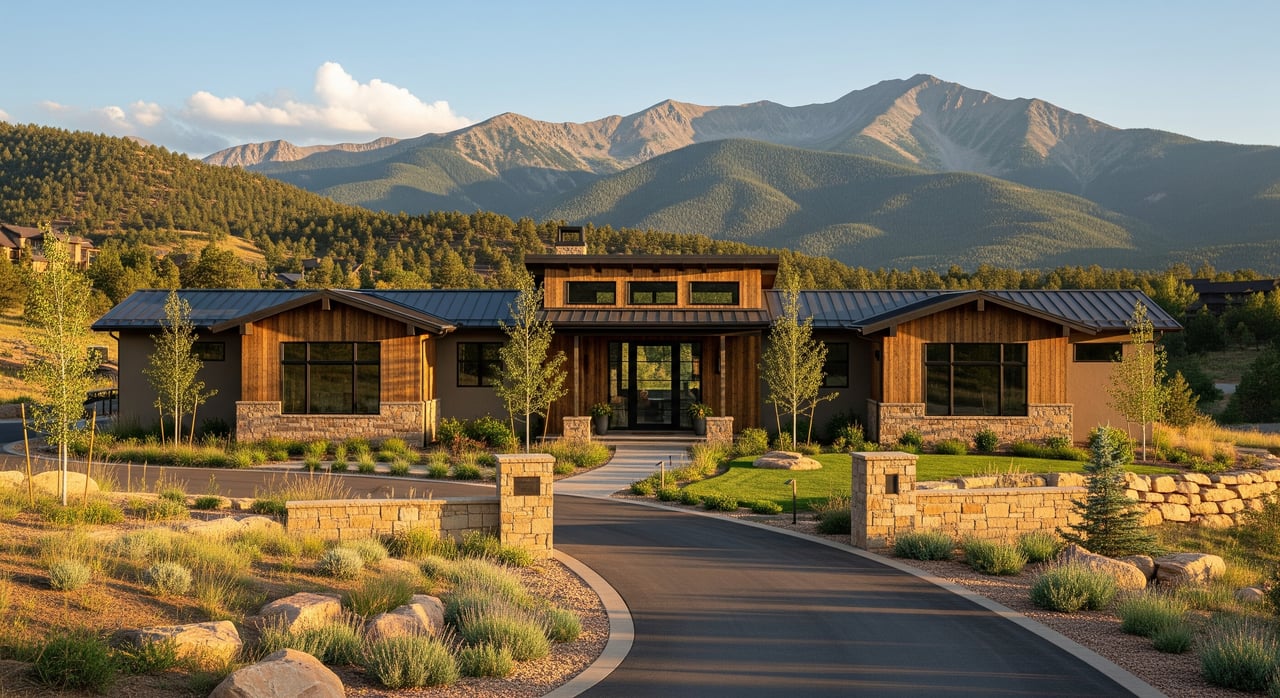
- Natural wood siding, timber accents, and stone are commonly encouraged.
- Stucco or fiber‑cement may be allowed if the color and texture blend with the surroundings.
- Metal roofs are often permitted. Composition shingles may be allowed when the color is dark or earth tone.
- Bright, reflective finishes or neon colors are typically discouraged.
- Many ARBs require you to submit color samples and may keep a palette or require low‑reflectance finishes.
Massing, height, and building envelopes
- Building envelopes shown on the recorded plat can limit where you can place the home, driveway, and outbuildings.
- Height controls are usually expressed as feet above finished grade or number of stories. Some communities measure to the midpoint of the roof.
- Setbacks can be stricter than county zoning to protect privacy and view corridors. Confirm any slope or ridgeline protections.
Rooflines and architectural details
- Steeper roof pitches and simple forms often fit the mountain character.
- Overhangs, covered entries, and exposed timber details are commonly requested.
- Large expanses of glass may be moderated on prominent slopes to limit glare or view impacts.
Fences, walls, and screening
- Tall privacy fences near roads or trails are often restricted. Low-profile split‑rail styles are common.
- Natural stone and plant screening may be preferred over solid fences.
Accessory structures, garages, and guest spaces
- Detached garages, sheds, and guest houses usually require ARB approval.
- Size, placement, and materials often must match the primary structure and comply with envelopes and setbacks.
- Rental or occupancy rules, including short‑term rentals, are often addressed in CCRs. Always check amendment history.
Landscaping and lighting
- Native or xeric landscaping is frequently required to protect the natural setting and reduce water use.
- Many HOAs require down‑lighting and cutoff fixtures to protect night skies and minimize spillover.
Energy and solar
- Solar devices are often allowed with placement and screening standards. State law can limit an HOA’s ability to prohibit solar, but design review is still typical. Confirm the current language in the CCRs and guidelines.
Site disturbance and drainage
- Erosion and sediment control plans, revegetation, and driveway grading are often part of ARB submissions.
- You may need to show how drainage will be managed during and after construction.
Building envelopes and the plat map
The recorded plat is one of your most important documents. Many lots in mountain communities include a building envelope that defines where you can place structures. That boundary can affect driveway layout, garage orientation, deck design, and how easily you can add future improvements like a guest studio or a solar array.
Setbacks and view protections may also appear on the plat. Before you dream up floor plans, confirm the envelope corners on the ground, look at grade changes, and note any adjacent trails, easements, or open space. These details influence construction costs more than style choices.
How the architectural review typically works
Exact procedures come from the Edgemont Highlands ARB guidelines, but most mountain HOAs follow a similar path.
Typical steps and timelines
- Preliminary conversation. You or your designer meet with the ARB or manager to discuss siting and design goals.
- Application submission. Provide the packet the ARB requires. Many committees review complete submittals only.
- Review period. The ARB’s stated timeframe is often 14 to 60 days. Responses can include approvals, conditions, or revision requests.
- Final approval and permits. Approval may be conditioned on specific materials or site controls. You still need county or city building permits.
- Construction and inspections. Some ARBs conduct site checks during or after construction to confirm compliance.
What you may need to submit
- Scaled site plan with contours and the building envelope clearly shown
- Exterior elevations with materials, colors, roof pitch, and height data
- Grading, drainage, and erosion control plan
- Landscape plan with plant species and irrigation approach
- Lighting plan with fixture specs and photometrics, if required
- Construction schedule and staging plan, especially near trails or narrow roads
Fees, deposits, variances, and appeals
Review fees and refundable construction deposits are common. Amounts vary and are defined in the HOA’s fee schedule or guidelines. If a design does not meet a specific standard, many CCRs allow you to request a variance. Appeals often go to the board. Get clear on processes and timing before you finalize plans.
Trails and open space: what to verify
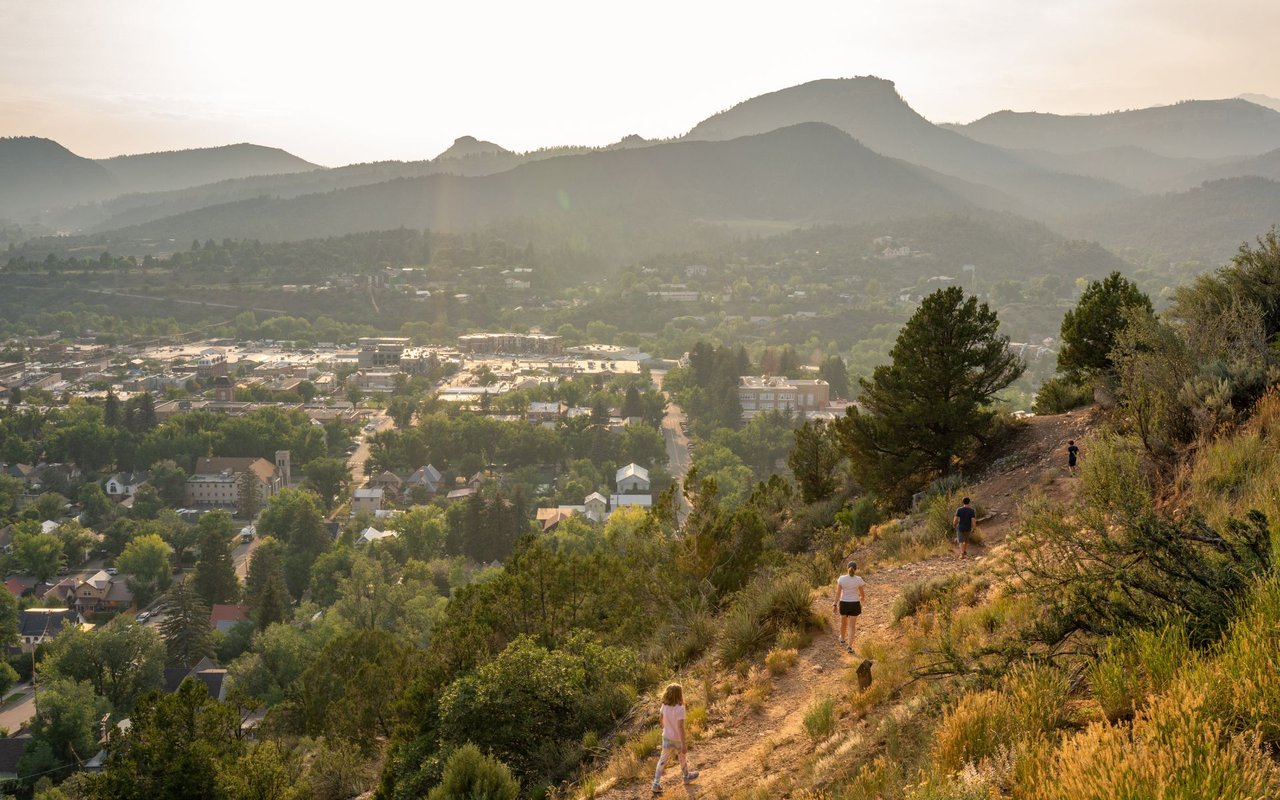
Edgemont Highlands is known for trail and open‑space access. The specific rights and responsibilities depend on how the documents define the trail network. Trails may sit in public easements, HOA‑owned common areas, or conservation areas with separate restrictions.
Use the recorded plat and HOA maps to confirm where trails run and how they are maintained. Trail rules in CCRs or Rules and Regulations may address hours, permitted activities, leash requirements, and motorized use. If your lot touches a trail easement, check for setback requirements, screening expectations, and whether direct access from your lot is allowed.
Pre‑offer checklist for Edgemont Highlands
Use this checklist to get ahead of surprises and keep your schedule realistic.
Before you write an offer
- Ask for the recorded CCRs and all amendments, ARB/ACC guidelines, and the subdivision plat that shows building envelopes and easements.
- Request recent HOA meeting minutes, the current budget, reserve study, and any special assessment notices.
- Confirm who has permitting authority, either La Plata County or the City of Durango.
- Ask the HOA if any rule changes are pending, such as updates to rental rules, solar policies, or exterior materials.
Documents to review closely
- Declaration of Covenants and any amendments
- Architectural guidelines and ARB application forms
- Recorded plat with envelopes, setbacks, and trail easements
- Rules and Regulations, including pet and trail rules
- HOA contact details and management company information
- Meeting minutes from the last 12 to 24 months
- Budget, dues schedule, reserve study, and any assessment notices
- Insurance coverage for common areas and owner requirements
- Any conservation easements or trail maintenance agreements
Key questions to answer
- Which exterior changes need ARB approval, such as paint, roofs, decks, fences, or solar?
- Where is the building envelope and are there ridgeline, slope, or view protections?
- What are height limits and how is height measured?
- Are there material or color restrictions, or an approved palette?
- How long does ARB review take and what is the appeal process?
- What fees or deposits apply to plan review and construction?
- Are there rental or occupancy rules that affect your plans?
- How are trails defined, who maintains them, and are there access easements near your lot?
- Are there outstanding assessments, disputes, or enforcement actions?
Red flags to watch
- Vague design standards or inconsistent approvals reported in meeting minutes
- Low reserves, frequent special assessments, or large maintenance backlogs
- Building envelopes that significantly limit siting or require heavy grading
- Restrictive rental or occupancy rules that do not match your intended use
- Utility or conservation easements that limit placement of driveways, outbuildings, or solar
Practical due diligence during the contract period
- Walk the lot to confirm envelope corners, slope, and proximity to trails and easements.
- Ask the seller for prior ARB approvals for existing improvements to understand precedent.
- Have your designer confirm whether your preferred features, such as a metal roof, solar array, or detached garage, align with recent approvals.
- Request a conditional estimate from a local builder for site prep tied to envelope and slope.
- Confirm county or city permit requirements. ARB approval does not replace government permits.
- If language is unclear or risk is high, consult a Colorado real estate attorney familiar with CCIOA.
Local resources and who to contact
- La Plata County Clerk and Recorder for recorded plats, CCRs, and easements
- La Plata County Planning and Building or City of Durango Planning and Building for permitting and zoning
- The HOA or its management company for ARB guidelines, fee schedules, minutes, and contact information
- A local title company for resale packets and recorded documents during escrow
- Local builders, architects, and landscape architects with Edgemont and Durango experience for realistic design and cost input
- A Colorado real estate attorney with HOA experience for interpretation and dispute guidance
Ready to move forward?
With the right documents and a clear plan, you can design a home that fits both your lifestyle and the community’s standards. Start by gathering the CCRs, ARB guidelines, and the recorded plat, then map your timeline around the review process and permits. If you want a local partner who can help you source documents, read between the lines, and connect you with trusted designers and builders, reach out to Alicia Romero. She brings more than two decades of La Plata County market experience and hands‑on site knowledge to help you move with confidence.
FAQs
What does the HOA’s architectural review cover in Edgemont Highlands?
- It typically covers exterior design, materials, colors, height, site work, landscaping, and lighting, but you must confirm specifics in the CCRs and ARB guidelines for the lot you are considering.
Which exterior materials are usually allowed in this community?
- Mountain communities often favor natural wood, stone, and earth‑tone finishes, with metal roofs commonly permitted, but exact allowances and color controls come from the Edgemont Highlands documents.
How do building envelopes affect where I can place my home?
- The recorded plat may show a building envelope that defines the buildable area, which influences siting, driveway layout, views, and grading costs.
Are short‑term rentals allowed in Edgemont Highlands?
- Rental and occupancy rules live in the CCRs and amendments, so review those documents and recent meeting minutes to understand current limits and any proposed changes.
Who maintains the trails and can I access them from my lot?
- Trail corridors may be public easements or HOA‑owned common areas; maintenance and access rules are defined in the plat, CCRs, Rules and Regulations, and HOA maps.
How long does ARB approval take and what will it cost?
- Review periods commonly range from 14 to 60 days and many HOAs charge review fees and construction deposits; confirm Edgemont Highlands’ exact timeline and fee schedule in the ARB documents.