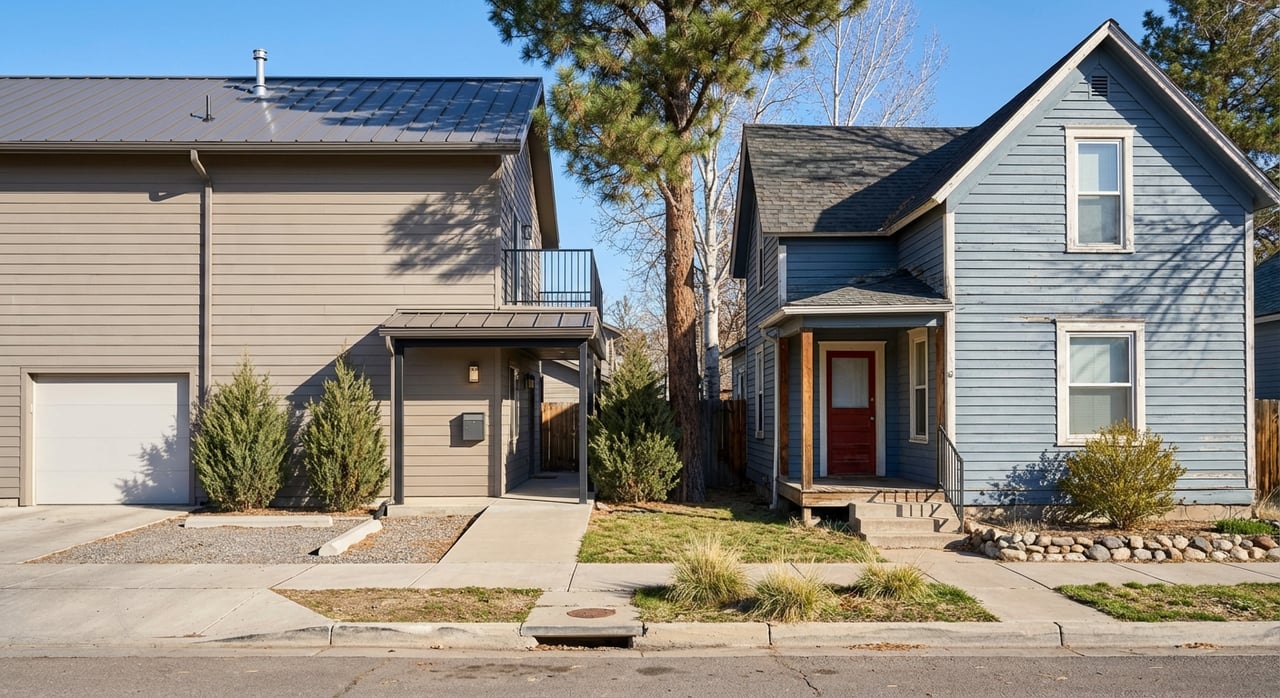
Are you dreaming about life steps from Main Avenue, but torn between a low‑maintenance condo and the charm of a historic home? You are not alone. Downtown Durango offers both, and each path comes with its own costs, rules, and everyday tradeoffs. In this guide, you will compare prices, permits, parking, financing, and maintenance so you can pick the best fit for your lifestyle. Let’s dive in.
Downtown options at a glance
Downtown condo examples from 2024 to 2025 show a wide spread, from compact studios under $300,000 to larger, newer lofts approaching the high $900,000s. Monthly HOA dues typically range from about $150 to $400-plus depending on services like building insurance, water and sewer, snow removal, and heated garage access. Full‑service buildings in the core tend to run higher.
Historic single‑family homes near Main Avenue and the surrounding grid also vary widely. You will see smaller, modest homes around the mid $400,000s and fully updated properties near or above $900,000 to $1 million depending on lot size, condition, and any permitted accessory units. Because every block and structure is different downtown, plan to verify values with a fresh, property‑specific MLS comparison before you write an offer.
Rules that shape how you can use the property
Short‑term rental permits
If you are considering nightly rentals, know that Durango regulates vacation rentals through a Limited Use Permit. The City allows them in the Central Business Zone and certain mixed‑use and planned areas, yet some zones have caps, and permits are generally not transferable when a property sells. Always verify a property’s eligibility and current permit status using the City’s Vacation Rental Information before you count on rental income.
Historic preservation review
Some downtown homes carry a local historic designation or sit within a designated district. Exterior changes on these properties require an Alterations Certificate, and specific areas like East Third Avenue have design guidelines that protect massing, materials, and streetscape character. If you plan exterior work, factor in design review and timing by starting with the City’s Historic Preservation resources.
Downtown design overlay and zoning
Even if your property is not individually landmarked, downtown projects often fall under the City’s Land Use & Development Code and a Downtown Design Overlay that steer signage, facades, additions, and streetscape improvements. Before you scope a renovation or addition, skim the LUDC and Downtown Overlay guidance to understand what is feasible.
Daily life details: maintenance, HOAs, and parking
Maintenance realities
A historic house gives you character and flexibility, but it likely needs more hands‑on care. Preservation guidance recommends a proactive maintenance plan and budgeting several percent of replacement value for inspection and repair, with specialized contractors for in‑kind work on original materials. For a helpful primer on exterior upkeep, see this preservation‑focused maintenance overview.
With a condo, exterior upkeep is pooled through the HOA. You will want to review the budget, reserves or reserve policy, insurance declarations, and the last year of meeting minutes to check for deferred maintenance or upcoming special assessments. Strong reserves and transparent financials reduce surprises.
HOA dues and what they cover
In the downtown core, dues often include building insurance, water and sewer, trash, snow removal, common‑area utilities, and sometimes heated garage parking or on‑site management. Ask for the current budget, balance sheet, and any reserve study. Compare services line by line so you know what your monthly costs actually buy.
Parking and guest logistics
Parking is a major lifestyle factor downtown. The City operates 30‑minute, 3‑hour, and 10‑hour meters in the Central Business District with enforcement Monday through Friday, 8 a.m. to 6 p.m. Overnight on‑street parking is typically prohibited between 2 a.m. and 5 a.m. Many condos include assigned or deeded garage spaces, while some historic homes have limited off‑street options. Review your options and permit choices on the City’s Parking and Rates page before you commit.
Financing, insurance, and hazard checks
Condo financing requirements
If you plan to use a conventional loan on a condo, your lender will check whether the building is eligible under Fannie Mae or similar guidelines. Project‑level reviews look at reserves, owner‑occupancy ratios, any litigation, and commercial‑space limits. Confirm your building’s status early using your lender’s process, which follows Fannie Mae’s Project Eligibility Review Service guidance.
Historic rehab tax credits
Thinking about a major restoration? The federal 20 percent Rehabilitation Tax Credit applies only to certified historic buildings used for income‑producing purposes, not owner‑occupied residences. Review the National Park Service’s eligibility rules before you run numbers. Colorado also offers a Commercial Historic Preservation Tax Credit administered by OEDIT and History Colorado, which can help on qualifying income‑producing or housing projects; details and application windows are posted on OEDIT’s program page. For an owner‑occupied primary residence, incentives are limited, so plan your budget accordingly.
Flood and wildfire diligence
Downtown Durango sits near the Animas River, and certain parcels may fall within FEMA flood zones. Check parcel‑specific risk and lender requirements using La Plata County’s GIS layers, including the FEMA floodplain overlay. Insurance markets also pay close attention to wildfire resilience and older construction. Recent state legislative updates address wildfire‑resistant materials and HOA rules that affect them; you can skim a summary from the Colorado Division of Real Estate here. Get quotes early for both historic homes and condos.
Who should pick a condo?
- You want a lock‑and‑leave base near dining, the river path, and events.
- Predictable monthly costs matter, and you prefer to outsource exterior maintenance.
- You value secure or assigned parking and building amenities.
- You might consider seasonal use or a regulated short‑term rental if the building and City allow it and permits are obtainable.
Who should pick a historic home?
- You love architectural character and prefer single‑family privacy.
- You want potential yard space, porch living, or room to expand within code.
- You are comfortable budgeting for preservation‑minded maintenance and specialized repairs.
- You are willing to navigate design review for exterior changes if the property is designated.
Quick checklist before you decide
For condos
- Request the HOA’s current budget, balance sheet, reserve study or policy, insurance declarations, and 12 months of minutes.
- Ask your lender to confirm project approval or eligibility for your loan program.
- Verify whether STRs are allowed by the HOA and whether City permit caps or waitlists apply.
- Confirm parking assignments, guest options, and whether you will need City permits.
For historic homes
- Confirm whether the property is designated or within a historic district and whether exterior work requires an Alterations Certificate.
- Order a preservation‑aware inspection that covers the envelope, foundation, roofing, windows, mechanicals, and potential lead or asbestos.
- Check floodplain status and get insurance quotes that reflect replacement cost and wildfire exposure.
- Walk the block for real‑world parking options at different times of day.
For both
- If nightly renting is part of your plan, confirm eligibility through the City’s Vacation Rental program and do not assume permits transfer with a sale.
- Review property taxes and any special district fees using county records to dial in your true monthly cost.
- Map out permit timelines for any planned renovations or use changes so they line up with your closing and move‑in plans.
Ready to compare properties side by side and get an on‑the‑ground feel for each option? For a tailored tour and an up‑to‑date MLS snapshot of downtown Durango, connect with Alicia Romero and start your move with a clear plan.
FAQs
What are typical downtown Durango condo prices?
- Recent examples in 2024 to 2025 show studios and smaller units in the low $300,000s and larger, newer condos climbing toward the high $900,000s. Always confirm current comps before you offer.
Can I run a short‑term rental in a downtown condo or historic home?
- Possibly, but only if both the City permits it and the HOA or property rules allow it. Permits are often capped in certain zones and generally do not transfer with a sale.
Do historic homes cost more to maintain than condos?
- Often yes. Expect more hands‑on, preservation‑minded work on older materials, while condos pool much of the exterior care through the HOA. Budget conservatively for a historic home.
How difficult is parking if I live downtown?
- Plan around weekday meter enforcement and limited overnight street parking. Many condos include assigned spaces, while some historic homes have little or no off‑street parking.
Will my condo qualify for a conventional loan?
- It depends on the building’s eligibility. Lenders review reserves, owner‑occupancy ratios, litigation, and other factors. Ask your lender to check the project early in your search.