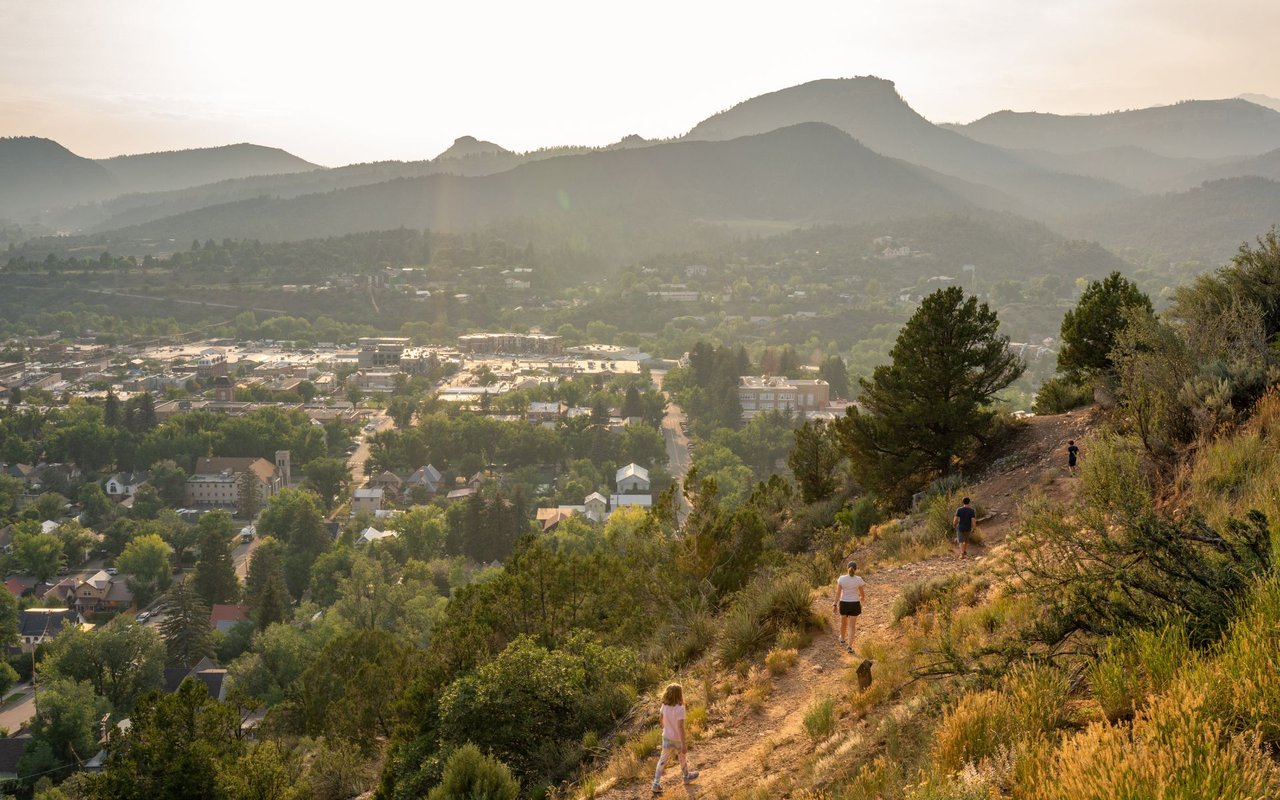
Thinking about buying land in Animas Valley? It is easy to fall in love with the views and imagine the home you want to build, but raw land can raise big questions fast. If you want to make a smart purchase, the key is to slow down early and verify what the parcel can actually support. Let’s walk through the most important questions to ask before you move forward.
Start With What the Parcel Allows
Before you think about floor plans, wells, or driveways, confirm what land-use rules apply to the property. In Animas Valley, this is especially important because the area is shaped by both county land-use regulations and the Animas Valley planning framework.
The Animas Valley District Plan explains that the older Animas Valley Land Use Plan was adopted into the La Plata County Land Use Code and is regulatory. The newer district plan is advisory, but it is still used in compatibility review. La Plata County also has specific code sections for Animas Valley zone districts and special uses, which makes parcel-specific zoning one of the first things to confirm.
A good early question is simple: What zone district and overlay apply to this exact parcel? That answer affects what may be possible on the land and what level of review could be required.
Location within the valley matters too. The district plan notes that development is concentrated along the U.S. 550 corridor, the middle of the valley often follows the river corridor and floodplain area, and the east side has a larger-lot residential and agricultural pattern tied in part to hazards and the lack of central water and sewer.
That means two parcels in the same general area can have very different development potential. A quick GIS review can help with initial screening, but it should not replace a parcel-specific confirmation from La Plata County.
Questions to ask early
- What is the current zoning for the parcel?
- Is the property affected by any overlays or special district standards?
- Is the parcel in an area where floodplain or compatibility review may matter?
- Does the parcel’s location in the valley change what is realistic to build?
Check Access Before You Fall in Love
Access can make or break a land purchase. A parcel may look perfect online, but if legal or usable access is unclear, your project can become more complicated and more expensive than expected.
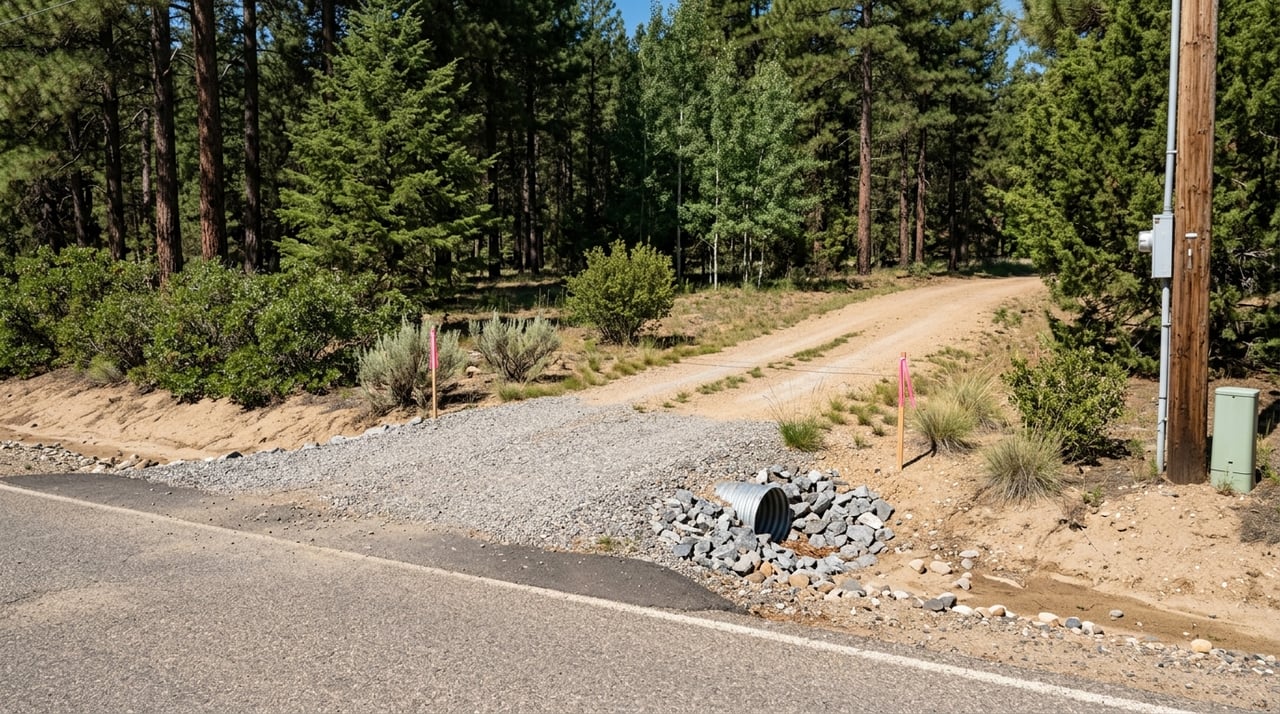
La Plata County has standards for access, roads, and driveway permits in its land use code. The county’s building permit packet also makes clear that Initial and Final Driveway approval from La Plata County Engineering is part of the construction process.
In Animas Valley, this deserves extra attention. The district plan identifies traffic congestion and ingress and egress on U.S. 550 and county roads as important review issues. So even if a lot appears easy to reach, actual approval for a driveway or safe access point may still need closer review.
You want to know whether the parcel already has legal, workable access or whether future improvements could be required. In some cases, a property may need engineering review, a driveway permit, work in a county right-of-way, or road improvements beyond the lot itself.
Access questions to ask
- Does the parcel have legal recorded access?
- Is the existing access usable year-round?
- Will county engineering review be required for a future driveway?
- Is any part of the access shared with neighboring properties?
- Could road improvements or right-of-way work be needed before building?
Verify Water, Sewer, and Utilities
One of the biggest mistakes land buyers make is assuming utilities will be simple. In Animas Valley, utility availability can vary a lot from one area to another.
According to the Animas Valley District Plan, most existing central water and sewer infrastructure is on the west side of the valley and in larger subdivisions and local commercial areas. The east side has lower density in part because of geologic hazards, floodplain constraints, and the lack of central water and sewer.
That means you should not assume a parcel has public service nearby just because it is in a desirable part of the valley. Utility research needs to happen parcel by parcel.
The same district plan says Animas Water Company provides domestic water along the west side of the valley from Durango north to Baker’s Bridge, and Hermosa Sanitation District provides wastewater treatment on the west side as well. Even so, service still needs to be confirmed for the specific property you are considering.
If a parcel will rely on a well, water should be treated as its own due-diligence item. The county building packet asks for a Colorado Division of Water Resources well permit when a property will use a well, and Colorado DWR states that it issues well permits and reviews water-supply proposals for land divisions.
On the wastewater side, the county building packet says habitable structures must have approved sewage disposal, and final inspection and certificate of occupancy will not be completed until the septic system is approved by county public health. The county code also makes clear that the building permit process does not replace the separate on-site wastewater treatment system permit and inspection process.
Utility questions to ask
- Is central water available to this parcel?
- Is central sewer available, or will an on-site system be needed?
- If a well is needed, what is the path for water permitting?
- What nearby utility infrastructure appears on county GIS layers?
- What approvals are separate from the building permit process?
Understand Construction Feasibility Early
A parcel can be legally purchasable and still present real building challenges. That is why it helps to ask not only, “Can I buy it?” but also, “What might it take to build here?”
La Plata County’s building division enforces codes in unincorporated areas and lists adopted codes in its permit packet. That same packet highlights local design conditions that can affect building plans, including snow load, wind, frost depth, flood hazard, and soil variability.
For you as a buyer, this means a parcel may require more site work or engineering than expected. Depending on the conditions, future construction could involve a soils report, engineered foundation design, or other site-specific decisions.
Floodplain review is especially important in Animas Valley. The district plan identifies landslides, debris fans, flooding, wildfires, and post-fire flooding as real constraints in the valley. The county permit packet adds that mapped flood-hazard development must comply with county floodplain regulations and may require a FEMA elevation certificate, and county code establishes a floodplain development permit.
Timing matters too. The building permit packet says a building permit is valid for one year from issuance, but it becomes invalid if construction does not begin within 180 days unless an extension is granted. If you plan to buy land now and build later, that timeline should be part of your planning.
Construction questions to ask
- Is the parcel affected by flood hazard or floodplain review?
- Are there visible or mapped hazard concerns tied to the site?
- Could soils, foundation, or drainage design add cost?
- If you build later, how does permit timing affect your plans?
- What approvals will be needed outside the standard building permit?
Do Not Skip HOA and Covenant Review
County zoning is only part of the picture. A parcel may also be subject to HOA rules, covenants, or a road association, and those private restrictions can shape how you use the land.
Colorado’s HOA Center explains that most associations register annually with the Division of Real Estate, and buyers in an HOA are entitled to association documentation once they are under contract. The same state resources also note that restrictive covenants can limit what owners may do with a property.
For land in a rural area like Animas Valley, these restrictions can be very important. They may affect road maintenance, design review, building timelines, water systems, rental policies, or permitted uses.
This is one of the reasons raw land due diligence needs to happen in layers. A parcel might work from a county zoning standpoint but still come with private restrictions that change your plans.
HOA and covenant questions to ask
- Is the parcel part of an HOA, road association, or covenant-controlled area?
- Who maintains private roads serving the property?
- Is there an architectural review process?
- Are there deadlines for starting or completing construction?
- Do any private restrictions affect use of the land?
A Simple Five-Layer Checklist
If you are comparing land options in Animas Valley, it helps to keep your early review organized. The strongest first-pass due diligence usually comes down to five layers.
- Zone district and overlays
- Road access and driveway approvals
- Water, sewer, and utility solution
- Construction feasibility and site constraints
- HOA, covenant, or road-association restrictions
When you review a parcel through these five lenses, you can spot red flags earlier and ask better questions before you commit time and money.
Why Local Guidance Matters
Buying land in Animas Valley is exciting, but it also asks more of you than buying a typical resale home. The views and setting may be the reason you start looking, yet the right decision usually comes down to zoning, access, utilities, site conditions, and restrictions that are not obvious at first glance.
That is where local, practical guidance matters. If you want help evaluating rural parcels in La Plata County and narrowing down smart options, connect with Alicia Romero for experienced, hands-on guidance tailored to the realities of buying land in and around Durango.
FAQs
What should I check first when buying land in Animas Valley?
- Start by confirming the parcel’s zone district and any overlays or special district standards that apply.
Does every Animas Valley parcel have easy road access?
- No. Access, driveway approval, and possible engineering or right-of-way work should be reviewed early.
Is public water and sewer available throughout Animas Valley?
- No. The district plan says utility availability is uneven, with more central infrastructure generally on the west side of the valley.
Can a buildable lot in Animas Valley still have construction challenges?
- Yes. Snow load, wind, frost depth, flood hazard, soil variability, and other site conditions can affect design and cost.
Do HOA rules matter when buying land in Animas Valley?
- Yes. HOA, covenant, or road-association rules may affect road maintenance, design review, building timelines, and property use.